


“Why Is My Daughter Throwing Up During Her Period?” A Heart-to-Heart from One Mama to Another
- Momma J

- Nov 13
- 4 min read
A Heart to Heart from One Mama to Another**
Listen, friend. Many mamas come to me with the same concern.
They say the same quiet words every time.
“My daughter starts her period and then she throws up. We never went through this. What is happening”
Nothing is wrong with your girl. Her body is reacting to a world that changed faster than her hormones can adjust. You and I never dealt with this because the world was not the same. Once you understand what is happening inside her body, the fear lifts and peace settles in.
Scripture says, “If any of you lack wisdom, let him ask of God.” (James 1.5).
Wisdom is a gift God gladly gives.
Come sit with me and let us walk through this together.
Why Vomiting Happens During a Cycle
Prostaglandins Running High
Prostaglandins tell the uterus to tighten and release its lining. When they rise too high, cramps become intense. Strong cramps can trigger the vagus nerve. That nerve affects digestion.
Too much stimulation can create nausea or vomiting.¹
Hormone Disruptors Everywhere
Their bodies respond with stronger symptoms than we ever experienced.
Nutrient Depletion
Many girls enter their cycles with low magnesium, low B vitamins, and low minerals. The soil is different. The food is different. The stress is different.
Low magnesium alone is strongly linked to worse cramps and nausea.³
Gut Imbalance
The gut and the reproductive system communicate constantly. Modern gut issues often increase inflammation and nausea. Studies show young women with strong menstrual symptoms often have disrupted gut bacteria.⁴
Earlier Puberty
Girls enter puberty younger than previous generations.⁵
Young bodies with immature hormone rhythms experience more intense symptoms.
You are not imagining this. The world changed. Their bodies are reacting.
Herbs and Remedies that Bring Real Support
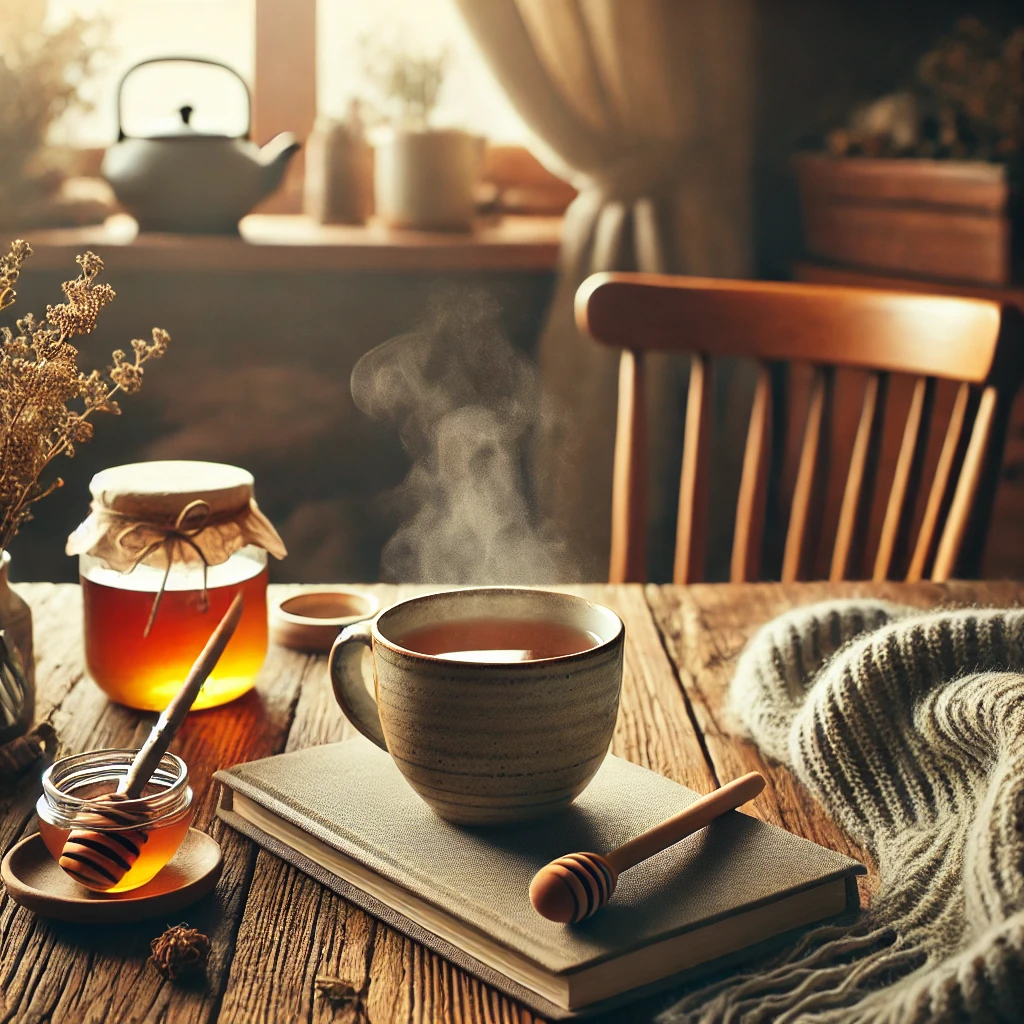
I will talk to you like we are sitting at the table with warm tea. Some herbs comfort right away. Some strengthen slowly. Each has a purpose.
Red Raspberry Leaf
Red raspberry leaf strengthens and tones the uterus over time. It improves long term cycle patterns. It helps reduce cramping.
It does not give immediate relief.
Think of it like tending soil. It nourishes. It supports. It steadies the cycle through steady intake.
How to Use
Daily tea
Blended with nettle or chamomile
Best used before the cycle begins and through the month
Cramp Bark
Cramp bark relaxes tight muscles. The uterus responds well to it. Many girls feel relief within twenty to forty minutes.
This herb supports both cramping and nausea caused by deep uterine tension.
How to Use
Tincture for fast support
Tea for slower soothing
Good partner to ginger


Birch Bark
Birch bark contains natural pain soothing compounds found in old folk remedies. It calms inflammation. It lowers prostaglandin intensity.
How to Use
Tea during the strongest cramping window
Tincture for quicker relief
Feverfew
Feverfew helps when nausea comes with headaches or migraines. Many girls experience migraine symptoms during cycle days when hormones shift suddenly.
How to Use
Capsules
Tincture
Daily during the cycle week for best results
Peppermint
Peppermint settles the stomach. It eases tension in the digestive tract. It brings comfort quickly and gently.
How to Use
Tea
Inhaled essential oil vapors
Peppermint mixed with ginger tea
Ginger
Ginger is one of the best studied herbs for nausea.⁸
It soothes the stomach. It improves circulation. It calms the urge to vomit.
How to Use
Fresh ginger tea
Dried ginger capsules
Chews
Tincture for quick support
How to Put These Herbs to Work
For immediate vomiting
Peppermint and ginger
Cramp bark tincture
Warm cloth across the lower belly
For severe cramping that triggers nausea
Cramp bark with ginger
Birch bark tea
Magnesium glycinate
For long term support
Red raspberry leaf daily
Nettle for minerals
Feverfew during cycle week if migraines appear
God gave us herbs with intention and purpose. They work with the body, not against it.
A Mama’s Encouragement
Your daughter is not weak. She is not broken.
Her body is responding to a world that pushes her harder than it pushed us.
Her symptoms are signals. Not failures.
Scripture reminds us, “God is our refuge and strength.” (Psalm 46.1).
He sees your daughter. He sees you. He provides wisdom for moments like this.
If you would like, I can create a simple printable cycle support guide, or a pantry list for your herbal cabinet.
You are doing well, friend. Your girl is going to be alright.
Turabian Style References
1. Dawood, M. Y. “Primary Dysmenorrhea: Advances in Pathogenesis and Management.” Obstetrics and Gynecology 108, no. 2 (2006): 428 through 441.
2. Diamanti Kandarakis, Evanthia, et al. “Endocrine Disrupting Chemicals. An Endocrine Society Scientific Statement.” Endocrine Reviews 30, no. 4 (2009): 293 through 342.
3. Zarei, Sara, et al. “The Effect of Magnesium Supplementation on Primary Dysmenorrhea.” Iranian Journal of Nursing and Midwifery Research 16, no. 4 (2011): 334 through 337.
4. Takagi, Hiromitsu, et al. “Association Between the Gut Microbiota and Menstrual Symptoms in Young Women.” Journal of Physiological Anthropology 41 (2022): 1 through 9.
5. Biro, Frank M., et al. “Secular Trends in Age at Menarche Worldwide.” Journal of Pediatric and Adolescent Gynecology 23, no. 5 (2010): 201 through 206.
6. Proctor, Margaret L., and Cynthia Farquhar. “Dysmenorrhoea.” BMJ Clinical Evidence 2016: 0802.
7. Vieira, Catarina, et al. “Castor Oil and Ricinoleic Acid. Review of Biological Activities and Health Benefits.” Phytotherapy Research 34, no. 9 (2020): 2183 through 2194.
8. Viljoen, Eleanor, et al. “A Systematic Review and Meta Analysis of the Effect and Safety of Ginger in the Treatment of Pregnancy Associated Nausea and Vomiting.” Nutrition Journal 13, no. 1 (2014): 20.


Comments